Loading...
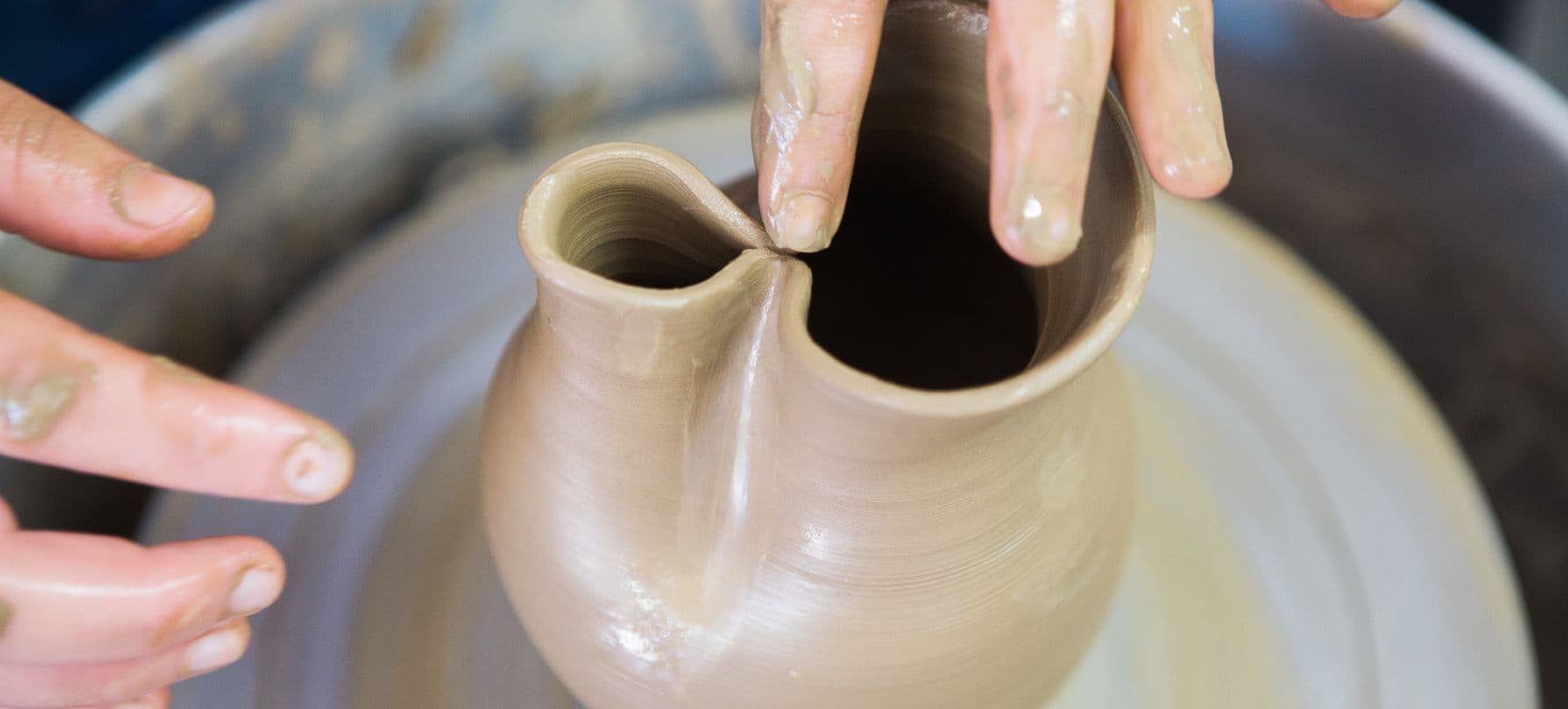
From hand to hand – From soul to soul
Part of the Richness of life 2 – Past, present, future exhibition series
Stories of craftsmanship from the workshops of the Nádudvar Folk Crafts Vocational Secondary School
The school’s mission is to reintroduce generations who have grown distant from their heritage to the traditional knowledge of the Hungarian people: their crafts, environmentally conscious way of life and intellectual heritage. In doing so, it seeks to rekindle interest in ancient knowledge and practices that have been refined over centuries, are now nearly forgotten, yet remain relevant and valuable in everyday life.
Passing on and teaching these heritage crafts is both an objective and a means of education. During the learning process, students encounter a previously unfamiliar perspective that encourages creative thinking and transforms their relationship with the objects, materials, natural environment and society around them.
The traditional rural way of life survived in Nádudvar until the end of the 20th century. The town has been a centre of pottery from the late Middle Ages to the present day, while its proximity to the Hortobágy encouraged animal husbandry to flourish, preserving the lifestyle, customs and crafts of shepherd communities. At the same time, it had become clear that the natural transmission of knowledge from father to son and mother to daughter was gradually disappearing.
Preserving, sustaining and passing on ancient knowledge—whether still present in everyday life, practised on festive occasions or retained only in memory—is at once an important task, a responsibility and a tremendous opportunity. Embracing this noble mission, the secondary-level teaching of traditional crafts began in 1992, inspired by dedicated folk artists and craftspeople, as well as individuals committed to safeguarding both Hungarian and local culture.
Curator: Mihály Vetró