Loading...
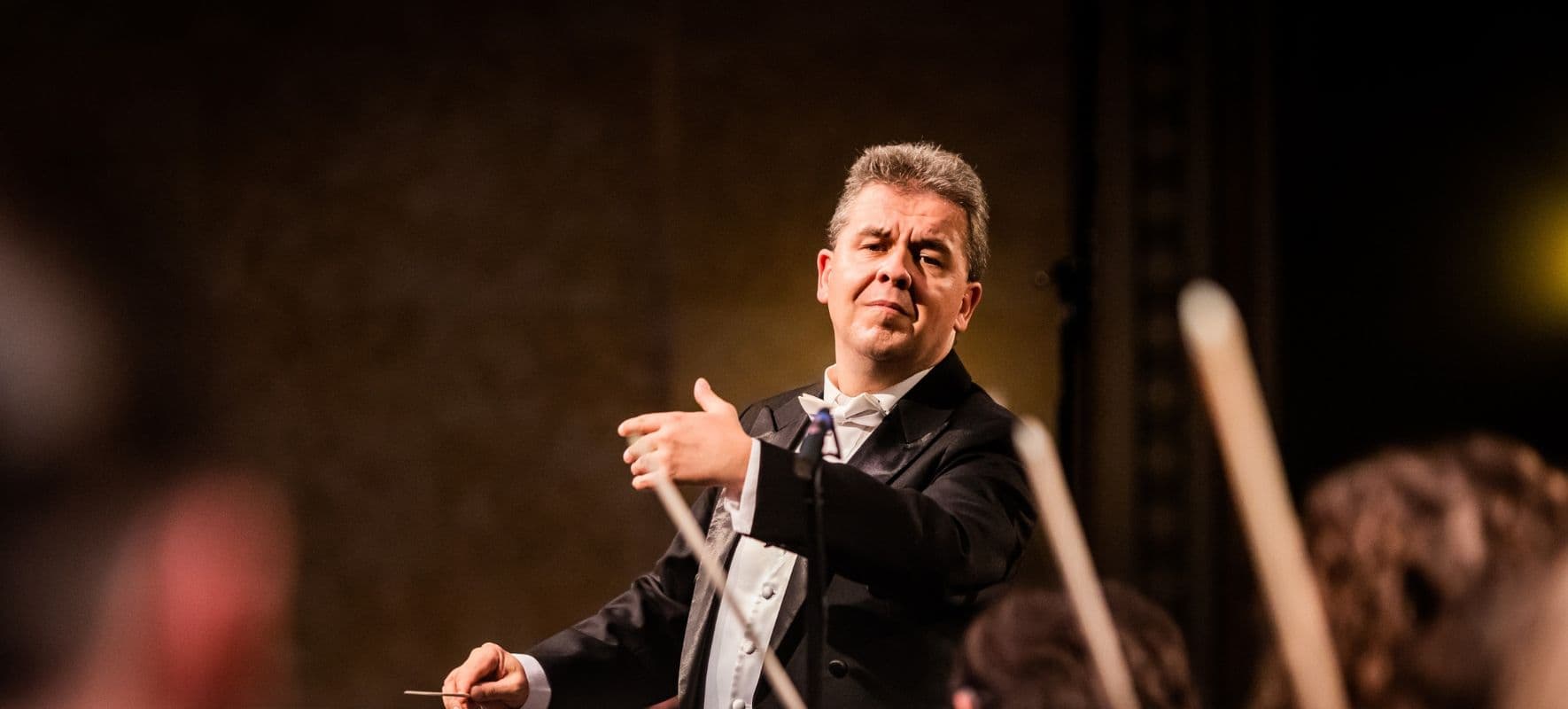
Free spirits
The third concert in the Szent István Philharmonic Winter Concert Series
Nikolai Rimsky-Korsakov: Capriccio espagnol, Op. 34
I. Alborada
II. Variazioni
III. Alborada
IV. Scena e canto gitano
V. Fandango asturiano
Zsófia Persányi: Piano Concerto
—
Dmitri Shostakovich: Symphony No. 5 in D minor, Op. 47
I. Moderato
II. Allegretto
III. Largo
IV. Allegro non troppo
Featuring:
Zsófia Persányi (piano)
Conducted by: Gábor Horváth
Freedom can take many forms in music: it may be expressed by breaking with tradition, giving free rein to the imagination, exploring a wealth of orchestral colours or giving voice to human truth. This idea connects the three major orchestral works in our concert, spanning approximately 140 years.
In Rimsky-Korsakov’s Capriccio espagnol, the rhythms of Spanish dances create a distinctive musical world. Across five uninterrupted movements, the colours of the orchestra take centre stage: a succession of vivid musical scenes leads from images of dawn through a Gypsy scene to the Asturian fandango. For the composer, orchestration is not merely an embellishment, but an essential element of the work itself.
But what does freedom mean to a 21st-century composer? The concerto by pianist and composer Zsófia Persányi is firmly rooted in the European musical tradition while responding to the present in her own individual voice.
Shostakovich’s Fifth Symphony, composed in 1937, was written during the Stalinist terror. Beneath the surface of a work that appeared to conform to official expectations lies a drama of human dignity and inner resistance. Its tense opening movement is followed by a bitterly ironic scherzo and a deeply moving Largo. The finale continues to raise questions to this day: are we hearing a genuine victory or a forced ovation? This ambiguity makes the symphony one of the greatest musical statements of the 20th century.
Organised by: Szent István Philharmonic Orchestra