Loading...
Music that connects
The first concert in the Saint Stephen Philharmonic Orchestra’s Winter Pass
Programme:
Felix Mendelssohn: The Fair Melusine, Op. 32
Robert Schumann: Piano Concerto in A minor, Op. 54
I. Allegro affettuoso, II. Intermezzo: Andantino grazioso III. Allegro vivace
—
Edvard Grieg: Norwegian Dances, Op. 35
I. Allegro marcato, II. Allegretto tranquillo e grazioso, III. Allegro moderato alla marcia, IV. Allegro molto
Zoltán Kodály: Dances of Marosszék
Featuring: Alexandra Balog – piano
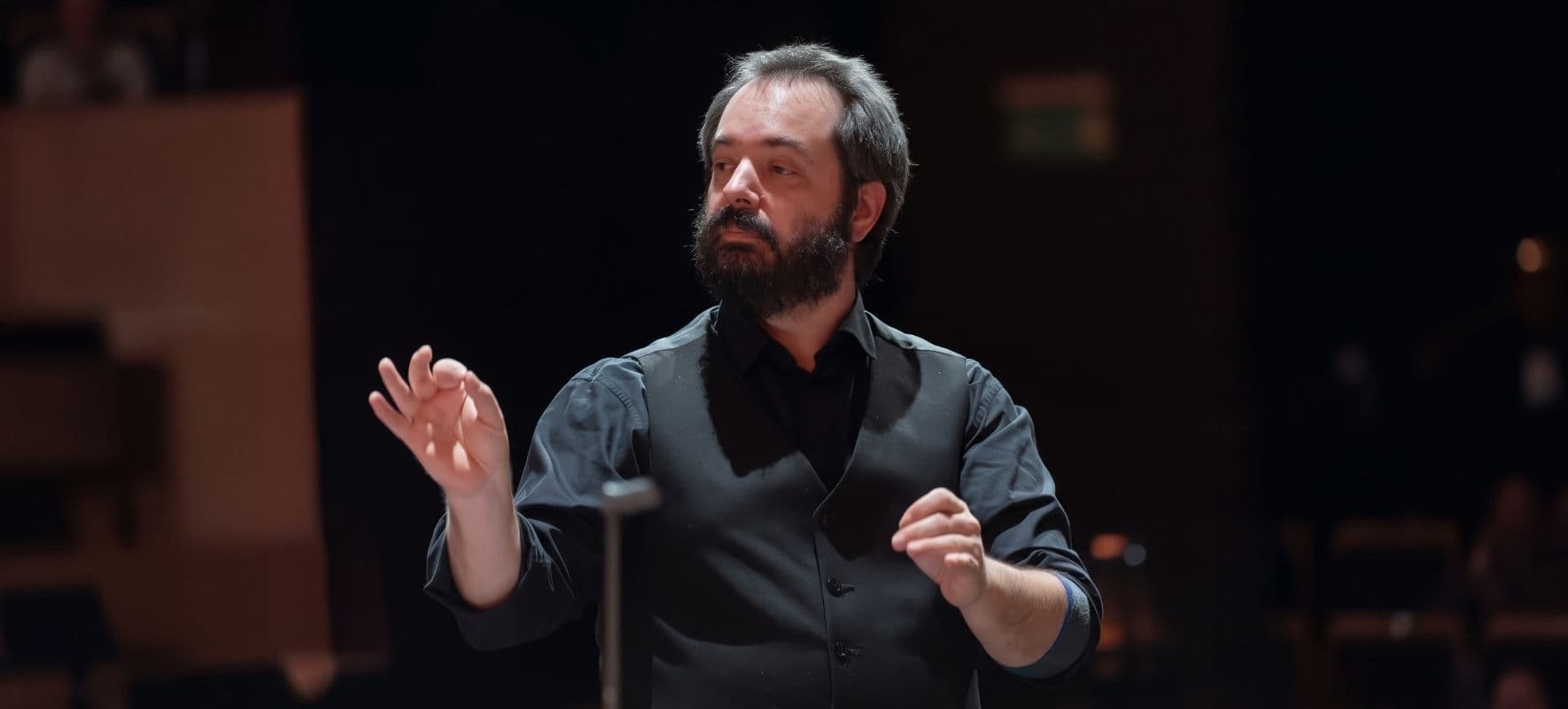
Conductor: Dániel Dinyés
“The artist’s feeling is his law,” wrote the painter Caspar David Friedrich. Romantic artists explored the mysteries of the soul: Schumann encountered spectres, Mendelssohn conjured fairies, while Grieg and Kodály combined European musical traditions with their respective national heritages.
These diverse sources of inspiration are united by the power of imagination and tradition. Composed in 1834, Mendelssohn’s overture The Fair Melusine evokes the legend of the love between a water nymph and a mortal through flowing lyrical motifs and dramatic outbursts. The inner world of the soul also finds expression in Schumann’s only piano concerto. Conceived as a declaration of love to Clara Wieck, the work is built around a dialogue between the piano and the orchestra. While Schumann drew inspiration from personal emotion, Grieg and Kodály turned to the ancient layers of folk music. Blending Norwegian melodies with the language of Romanticism, the Norwegian Dances take listeners from an athletic men’s dance to the lively atmosphere of a village celebration. Drawing on melodies collected in Transylvania, the Dances of Marosszék unite classical forms with folk tradition.
Further concerts in the Winter Concert Series:
https://sztif.hu/berlet/teli-berlet/
Organised by: Saint Stephen Philharmonic Orchestra
The concert is supported by the Hungarian Academy of Arts.